


Urinary Incontinence – Types and Palliative Measures
Urinary incontinence (UI) is the involuntary loss of urine, loss of bladder control, or inability to control urination. It is a common problem that primarily affects quality of life.
Urinary incontinence is not a disease in itself, but rather the consequence of an alteration in the bladder filling phase that occurs in numerous pathologies.

Prevalence of Urinary Incontinence in Spain:
- 6.5 million people suffer from urinary incontinence.
- 50% of women and 20% of men over 65 experience urine leakage.
- It also affects women after childbirth, individuals with neurological injuries, or postoperative patients. Other causes include: diabetes, obesity, menopause, prostate cancer, pelvic floor injury, etc.
Types of Urinary Incontinence:
- Stress incontinence: the most common type. Leakage occurs as a result of an action that increases abdominal pressure (coughing, laughing, sneezing, straining, or during sports or physical exertion).
- Functional incontinence: encompasses physical or mental impairment that prevents reaching the bathroom in time.
- Mixed incontinence: when some leaks are related to exertion and others to urgency.
Causes of Urinary Incontinence:
Urinary incontinence occurs when the pressure in the bladder is greater than the pressure in the urethra.
The main reasons are:
- Neurological problems or damage.
- Due to an alteration of the external sphincter and pelvic floor muscles.
- Due to internal sphincter failure from inappropriate relaxation or organic injury.
How to Prevent Urinary Incontinence?
- Maintain a healthy lifestyle
- Do not smoke
- Avoid overweight
- Perform pelvic floor exercises
- Reduce alcohol and caffeine consumption
Palliative Measures to Prevent Urinary Incontinence:
- Avoid exciting substances
- Wear comfortable clothing and engage in physical activities
- Use of various products as a solution to the problem:
Use of incontinence briefs that help retain urine without odors or discomfort.


Use of urine bags, connected via a urinary collector or catheters.


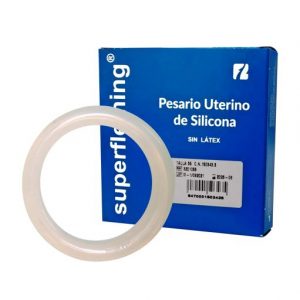
Use of silicone ring pessaries or urethral pessaries.