


What Is Diabetes?
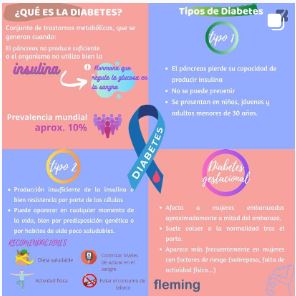
Diabetes is a chronic disease that occurs when the body cannot properly regulate glucose (sugar) levels in the blood. This happens due to a problem with the production or use of insulin, a hormone that allows glucose to enter cells to be used as energy.
- Insulin: hormone that regulates glucose in the blood.
There is a global prevalence of approximately 10% of the population.
TYPES OF DIABETES:
- Type 1 Diabetes:
- Cannot be prevented.
- It is an autoimmune disease in which the immune system attacks the pancreatic cells that produce insulin.
- Generally appears in childhood or adolescence, although it can also be diagnosed in adults.
- People with type 1 diabetes require daily insulin injections.
- Type 2 Diabetes:
- It is the most common form of diabetes and is related to insulin resistance.
- The body still produces insulin but does not use it efficiently.
- It is associated with factors such as obesity, lack of physical activity, and genetics.
- It can be controlled with lifestyle changes, medications, and, in some cases, insulin.
- Recommendations: healthy diet, physical activity, monitor blood sugar levels, avoid tobacco use.
- Gestational Diabetes:
- Affects pregnant women approximately midway through pregnancy.
- Usually returns to normal after delivery.
- May increase the risk of developing type 2 diabetes in the future.
- Appears more frequently in women with risk factors (overweight, lack of physical activity…)
- Other Types of Diabetes:
- Monogenic diabetes: caused by rare genetic mutations.
- Secondary diabetes: result of other diseases or the use of certain medications (such as corticosteroids).
It is important to monitor blood glucose levels to detect:
- Hyperglycemia > 130 mg/dL
- Hypoglycemia < 70 mg/dL
HOW TO MONITOR GLUCOSE?
- Glucose Meter: rapid measurement of blood glucose levels and ketone bodies.
- Glucose Test Strips: used in conjunction with the glucose meter and work by capillary action.
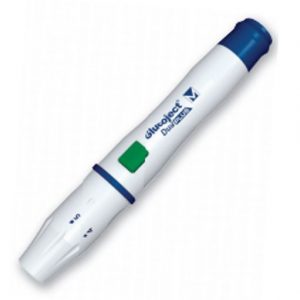
- Lancing Pen or Lancets: lancing device that provides maximum comfort in obtaining capillary samples.

Additionally, with the insulated bag for diabetic kit, you can carry your glucose meter and medication with you, as it contains a gel pack that helps maintain cold temperatures for several hours.

INSTAGRAM POST: