


Uterine Prolapse – Characteristics and Use of Silicone Pessaries
What is a Pessary?
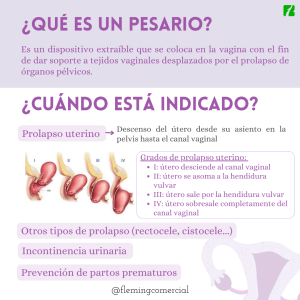
It is a removable device that is placed in the vagina to provide support to vaginal tissues displaced by pelvic organ prolapse.
When is it indicated?
In cases of uterine prolapse or other types of prolapse, urinary incontinence, and for the prevention of premature births.
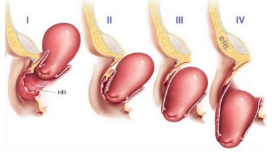
Uterine Prolapse: Descent of the uterus from its position in the pelvis into the vaginal canal.
Possible symptoms of uterine prolapse:
It may be asymptomatic, or symptoms such as the following may appear:
- sensation of heavy genitals
- difficulty during sexual intercourse
- constipation
- fluid retention
- urinary incontinence
Other Types of Prolapse:
- Rectocele Prolapse: dislocation of the rectum.
- Cystocele Prolapse: prolapse of the bladder.
Treatment of Uterine Prolapse:
For severe cases, surgery is mandatory.
For grades I and II, the use of a uterine ring pessary is recommended.
Silicone Ring Pessary:
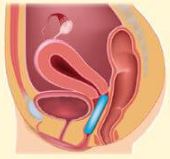
It is a transparent silicone ring that is placed in the vagina, between the posterior fornix and the pubic bone, to support the uterus.
Available sizes range from 50 to 100.
Insertion must be performed by a healthcare professional.
It is recommended to replace it every 30-90 days maximum.

Is Your Pessary the Correct Size?
- No discomfort of any kind is felt.
- It does not move or become dislodged from its placement position.
- It does not interfere when using the bathroom.
- It does not cause urinary incontinence.
It is important to always follow the specialist’s instructions to determine which size should be used in each case.
When Should a Pessary NOT be Placed?
- In cases of vaginal infection.
- Bleeding from unknown cause.
- In cases of pelvic inflammatory disease.
- Ulceration of the vaginal walls.
- Vaginal shortening.
- Excessive width of the vaginal opening.
- Previous surgeries.
- Allergy to the pessary material.
Advantages of Pessaries:
- They slow the progression and symptoms of uterine prolapse.
- They minimize impact during sports by reducing urine leakage.
- Minimally invasive and economical technique.
- They delay or avoid surgery.
Instructions for Use of Pessaries:
- Use and duration prescribed by the physician.
- Single-person use.
- Find the appropriate pessary size that does not cause discomfort.
- The first insertion must be performed by a professional.
- Place the device following the instructions for each model.
- Before insertion, prolapsed organs must be placed in their correct anatomical position.
Reminder:
Attend follow-up appointments with your specialist regularly.
INSTAGRAM POST: